
Structure vs Ligand: Exploring the Two Faces of Virtual Screening
See How Next-Gen Tech is Totally Shaking Up Drug Discovery by Speeding Up Molecular Analysis and Finding New Treatments Rapidly

In the relentless race to discover life-saving drugs, traditional methods are no longer fast enough. Over the past few decades, high-throughput screening (HTS) has been a major player in the early stages of drug discovery. It involves testing vast libraries of chemicals to identify promising compounds that could lead to new treatments. While HTS has been crucial, it comes with its challenges—think expensive equipment, specialized labs, and the need to screen thousands, if not millions, of compounds. With all these hurdles, researchers began looking for smarter, more efficient alternatives - enter virtual screening. So, what is it, and how has it helped scientists advance drug discovery?
Virtual screening (VS) is an in silico technique integral to the drug discovery process. By leveraging advanced computational tools, VS allows researchers to swiftly analyze massive molecular structure databases, identifying compounds with the highest therapeutic potential. This streamlined, data-driven technique significantly enhances the efficiency of drug candidate selection, reducing both time and costs compared to traditional methods.
At its core, VS functions as a crucial filtration system. It systematically sifts through vast libraries of molecular structures, weeding out compounds that are less likely to succeed in further stages of development. This process leaves behind only the most promising candidates, greatly increasing the likelihood of identifying viable drugs from an initially overwhelming number of possibilities.
Virtual screening can be approached in two ways: structure-based (SBVS) and ligand-based (LBVS).
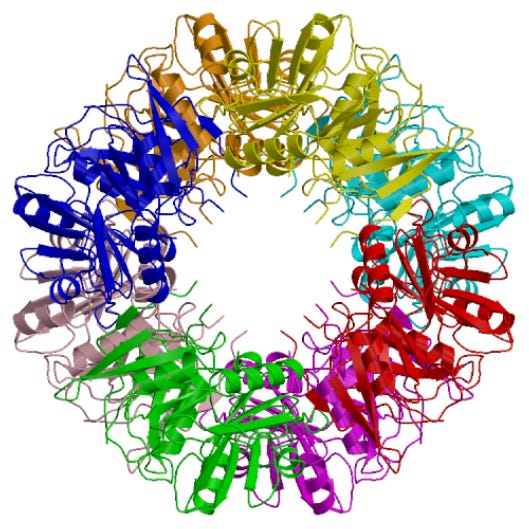
Structure-Based Virtual Screening (SBVS), also known as target-based virtual screening (TBVS), is a method used to predict how molecules interact to form stable complexes. It relies on the three-dimensional (3D) structure of a molecular target, such as a protein, to identify potential drug candidates. When the 3D structure of a target is known, SBVS is a preferred approach. It evaluates the binding strength between candidate ligands and the target protein. Molecular docking is a commonly used SBVS technique due to its efficiency and reliable results.
Ligand-based virtual screening (LBVS) identifies molecules with similar structures to known biologically active compounds, without considering the target's structure. It operates on the idea that structurally similar compounds may have comparable biological effects. LBVS compares the molecular descriptors of reference compounds with those in virtual libraries, making it ideal when little is known about the target's structure. It’s also used to refine databases for structure-based methods, improving accuracy. Combining LBVS and SBVS can enhance virtual screening, reducing false positives and increasing the chances of discovering biologically active compounds.
Pitfalls of Virtual Screening
Virtual screening has brought many benefits to drug discovery, but there are also some downsides to think about.
For Structure-Based Virtual Screening (SBVS)
Despite being a powerful tool, structure-based virtual screening (SBVS) has its challenges:
Some screening tools excel only in specific cases but may struggle when applied more broadly.
Predicting the binding position and behavior of compounds accurately is tricky, mainly due to the complex nature of ligand-receptor interactions, making parameter optimization difficult.
SBVS is prone to errors, sometimes generating both false positives and false negatives, which complicates the drug discovery process.
For Ligand-Based Virtual Screening (LBVS)
While promising, ligand-based virtual screening (LBVS) faces limitations:
Current techniques haven't yet achieved the desired accuracy, though advancements are on the horizon.
Small chemical changes in structurally similar molecules can dramatically alter activity, leading to false positives. As a result, a molecule identified as active by LBVS may ultimately prove inactive due to these subtle modifications.
In conclusion, the future of virtual screening is bright, offering exciting possibilities to fast-track the discovery of life-saving treatments. By embracing both its strengths and challenges, researchers can unlock its full potential, inching us ever closer to the next groundbreaking advancement in medicine.
References
Virtual screening strategies in drug design methods and applications Introduction to drug development and design (2011) Xavier Lucas, Anna Czerwoniec, Asia kasprzak et al
Virtual Screening Algorithms in Drug Discovery: A Review Focused on Machine and Deep Learning Methods (2023) Tiago Alves de Oliveira, Michel Pires da Silva, Eduardo Habib Bechelane Maia et al https://doi.org/10.3390/ddc2020017